
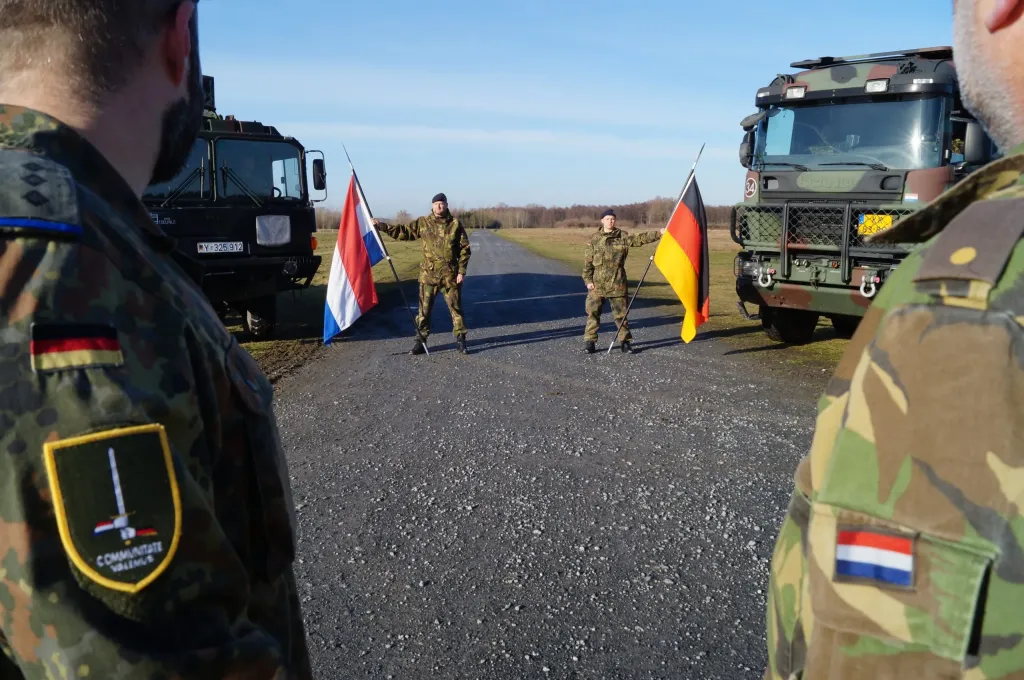
„The decision of Germany and the Netherlands to take on the primary responsibility at army corps level in Estonia and Latvia directly strengthens our security. Russia’s war of aggression in Ukraine, along with increasingly reckless activities near NATO’s borders, has compelled the Alliance to adjust its actions and military posture. We have close defence cooperation and years of shared experience with both those allied nations through exercises, air policing missions, and operations in the Baltic Sea. For the people of Estonia, this decision means a greater visible presence of our allies, and for the Defence Forces it means joint exercises that enhance our interoperability,” said Minister of Defence Hanno Pevkur.
1GNC is a headquarters that can command an international force of approximately 50,000 personnel. The tasks of the corps include, among other things, conducting exercises, preparing for defence, and, when necessary, carrying out defensive operations. As part of the preparations, Estonian Defence Forces personnel have been actively contributing to the work of the corps since last year.
The corps sits one level above the Estonian division within NATO’s command structure. The division comprises two Estonian brigades and the United Kingdom-led NATO battlegroup, deployed together with France, within Estonia’s 1st Infantry Brigade in Tapa. The division’s chain of command also includes the United Kingdom’s 4th Brigade, which is assigned to reinforce Estonia and, under normal circumstances, is permanently based in the UK at a high level of readiness.
The German-Dutch Corps has previously commanded several crisis-management and peacekeeping operations. The corps served in Afghanistan in 2003, 2009 and 2013 as part of the NATO-led International Security Assistance Force (ISAF). Between 2005 and 2024, the corps was on one-year readiness seven times as part of the NATO Response Force.
The German-Dutch Corps was established in 1995 and its headquarters is located in Münster, Germany. Command of the corps rotates between Germany and the Netherlands, and at present 16 NATO allies contribute to its structure.

